

Mastering Forex Day Trading Strategy for Consistent Profits
Forex day trading is a popular approach within financial markets, attracting both novice and experienced traders seeking to capitalize on short-term price movements. By committing to a strategic methodology, traders can manage their risks effectively while aiming for immediate returns. If you want to enhance your trading skills and maximize profits in the fast-paced currency market, delve into our comprehensive forex day trading strategy guide, and explore resources like forex day trading strategy Crypto Trading Asia for additional insights.
Understanding Forex Day Trading
Forex day trading refers to the practice of entering and exiting trades within the same trading day. Unlike long-term trading, where positions may be held for weeks or months, day traders aim to take advantage of price fluctuations that occur throughout the day. Successful day traders utilize various strategies, tools, and market analyses to make informed decisions and seize opportunities rapidly.
The Importance of a Trading Plan
A well-structured trading plan is crucial for any forex day trader. Your trading plan should outline your objectives, risk management strategies, and the specific methods you will use to analyze the markets. A clear plan helps traders maintain discipline and reduces the likelihood of emotional trading, which can lead to unfavorable outcomes.
Key Strategies for Forex Day Trading
1. Scalping
Scalping is a popular forex day trading strategy that involves making numerous trades throughout the day to capture small price movements. Scalpers aim to profit from very short-term market fluctuations, often making trades that last only a few seconds to minutes. This approach requires a solid understanding of market dynamics, quick decision-making, and a reliable trading platform with high liquidity.
2. Trend Following
Another effective Forex day trading strategy is trend following, where traders identify and follow the prevailing market trends. Day traders can use various technical indicators, such as moving averages and the Relative Strength Index (RSI), to help determine the direction of the trend. Once a trend is established, traders will enter positions that align with the trend direction, either going long or short, to maximize potential profits.
3. Breakout Trading
Breakout trading involves entering a position when the price breaks through a significant support or resistance level. When a breakout occurs, it often signals the beginning of a new trend, allowing traders to capitalize on momentum. Identifying key levels and utilizing technical analysis can help increase the probability of successful breakouts. As with any strategy, proper risk management is essential to protect against false breakouts.
Technical Analysis Tools for Day Trading
Technical analysis plays a vital role in successful forex day trading. Traders use various tools and indicators to analyze price movements and market trends. Some commonly used technical analysis tools include:
1. Candlestick Patterns
Candlestick patterns are crucial for understanding market sentiment and price action. Familiarizing yourself with common patterns, such as hammers, dojis, and engulfing patterns, can provide insights into potential reversals or continuations in price movements.
2. Indicators
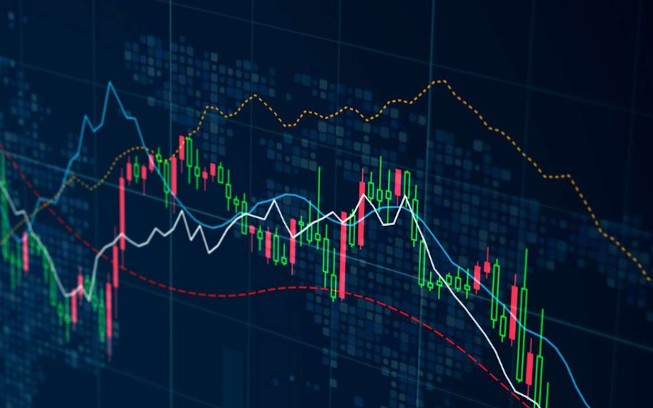
Indicators like moving averages, Bollinger Bands, MACD, and RSI are essential tools for day traders. These indicators help identify trends, measure volatility, and assess momentum, allowing traders to make informed decisions based on quantifiable data.
3. Economic Calendar
Staying informed about economic events and news releases is critical for day traders. An economic calendar tracks important announcements, such as interest rate changes or employment reports, which can cause significant volatility in currency pairs. By anticipating these events, traders can make proactive trading decisions instead of reactive ones.
Risk Management Strategies
Effective risk management is vital in day trading to protect your capital and minimize losses. Here are some key components to consider:
1. Set Stop-Loss Orders
Establishing stop-loss orders allows traders to set predetermined exit points to limit their losses. A stop-loss order automatically closes your position when the price hits a specified level, providing a safety net against unforeseen market movements.
2. Position Sizing
Determining the appropriate position size is essential for managing risk effectively. Traders should only risk a small percentage of their trading account on each trade to prevent significant drawdowns in capital.
3. Maintain a Trading Journal
Keeping a trading journal helps traders analyze their performance over time. By recording details of each trade, including the rationale behind the decision, traders can identify patterns, strengths, and weaknesses in their strategies, leading to continuous improvement.
Psychological Aspects of Day Trading
The psychological component of trading is often underestimated. Emotional decision-making can lead to significant losses and frustration. Therefore, developing a disciplined mindset is crucial for successful forex day trading. Here are some tips:
1. Stay Calm Under Pressure
Market fluctuations can induce stress and anxiety. It’s crucial to remain calm and stick to your trading plan even during volatile market conditions. Adopting mindfulness techniques and maintaining a balanced lifestyle can help improve your focus and composure.
2. Avoid Overtrading
Overtrading can lead to emotional fatigue and poor decision-making. Set clear goals for the number of trades you plan to execute each day based on your analysis and avoid impulsively entering positions.
3. Reflect and Adjust
At the end of each trading day, take time to reflect on your trades. Analyze your successes and failures, and adjust your strategy accordingly. This iterative process is essential for personal and professional growth as a trader.
Conclusion
Forex day trading can be a lucrative endeavor for those willing to dedicate the time and resources to mastering effective strategies and maintaining discipline. By developing a comprehensive trading plan, utilizing technical analysis tools, managing risks, and focusing on psychological well-being, traders can enhance their chances of achieving consistent profits in the dynamic forex market. Always remember that successful trading requires patience, continuous learning, and the ability to adapt to changing market conditions.